Ground school covers the aeronautical knowledge required for your FAA Private Pilot Written Test — aerodynamics, weather, airspace, navigation, aircraft systems, regulations, and more. You'll need to pass the written test (70% minimum) before your checkride, and the DPE will test your ground knowledge extensively in the oral exam.
You have several options: structured online courses, self-study from textbooks, or in-person ground school at a flight school. Most students today use online ground school — it's self-paced, thorough, and built around the actual FAA test bank.
Affiliate disclosure: Some links below earn us a commission. This never influences our recommendations — we'd give the same advice to a student pilot friend.
64 free PPL ground school videos on YouTube. Also offers a premium interactive course at freepilottraining.net with 700+ practice questions and a written exam endorsement.
Top online ground schools compared
- Highest quality video production — feels like a real course not a PowerPoint recording
- Instructor is active CFII with clear teaching style
- Comprehensive written test prep built in
- Students regularly report 90%+ written test scores
- Lifetime access — rewatch anything anytime
- Strong student community and support
- No FAA endorsement included (requires separate written test sign-off from CFI)
- Newer than King Schools — less brand recognition at some DPEs
- No physical textbook option
- Includes FAA written test endorsement (take the test independently)
- Most comprehensive content — over 15 hours of video
- Works across all devices including offline
- Sporty's brand widely recognized and trusted
- Includes practice tests aligned to actual FAA question bank
- Available as app on iOS and Android
- Older video production style than Pilot Institute
- Dense content can feel overwhelming for some learners
- 3-year access (not lifetime)
- Most recognizable brand in aviation ground school
- Includes FAA written test endorsement
- Lifetime access with free updates
- Guaranteed to pass or money back
- Excellent for visual learners — lots of animations
- Decades of refinement — every concept is well-explained
- John and Martha's humor is beloved by some, grating to others
- Video production is older than competitors
- Less strong on written test pass rates vs Pilot Institute
- Most affordable comprehensive option
- Textbook + test prep bundle well-organized
- Gleim question bank covers the full FAA test bank thoroughly
- Preferred by pilots who learn better from reading than video
- Excellent for supplemental written test prep alongside another course
- Text-heavy — not ideal if you need visual/video explanations
- Less engaging than video-based courses
- No video instruction included in base package
Side-by-side comparison
| Course | Price | FAA Endorsement | Access | Best for |
|---|---|---|---|---|
| Pilot Institute | $197 | ✗ (CFI sign-off needed) | Lifetime | Best overall quality & pass rates |
| Sporty's | $299 | ✓ Included | 3 years | Most comprehensive + endorsement |
| King Schools | $249 | ✓ Included | Lifetime | Visual learners, classic approach |
| Gleim | $79–149 | Varies | 1–2 years | Budget / text-based learners |
| Gold Seal | $179 | ✓ Included | Lifetime | Structured, CFI-taught lessons |
Do you need a separate ground school if your flight school provides one?
Many Part 141 flight schools include ground school as part of their training program. If yours does, you may not need a separate online course. That said, many students find it valuable to supplement their school's ground training with an online course — you can review material at your own pace, rewatch confusing concepts, and do more practice tests than a structured class allows.
If you're doing Part 61 training without a formal ground school component, an online course is essential.
The FAA written test — what to expect
The FAA Private Pilot Airplane (PAR) knowledge test has 60 questions drawn from a published question bank. You need 70% (42/60) to pass. The test covers weather, navigation, regulations, airspace, aerodynamics, and aircraft systems. Most students who complete a quality ground school course pass comfortably — average scores are typically in the 80s.
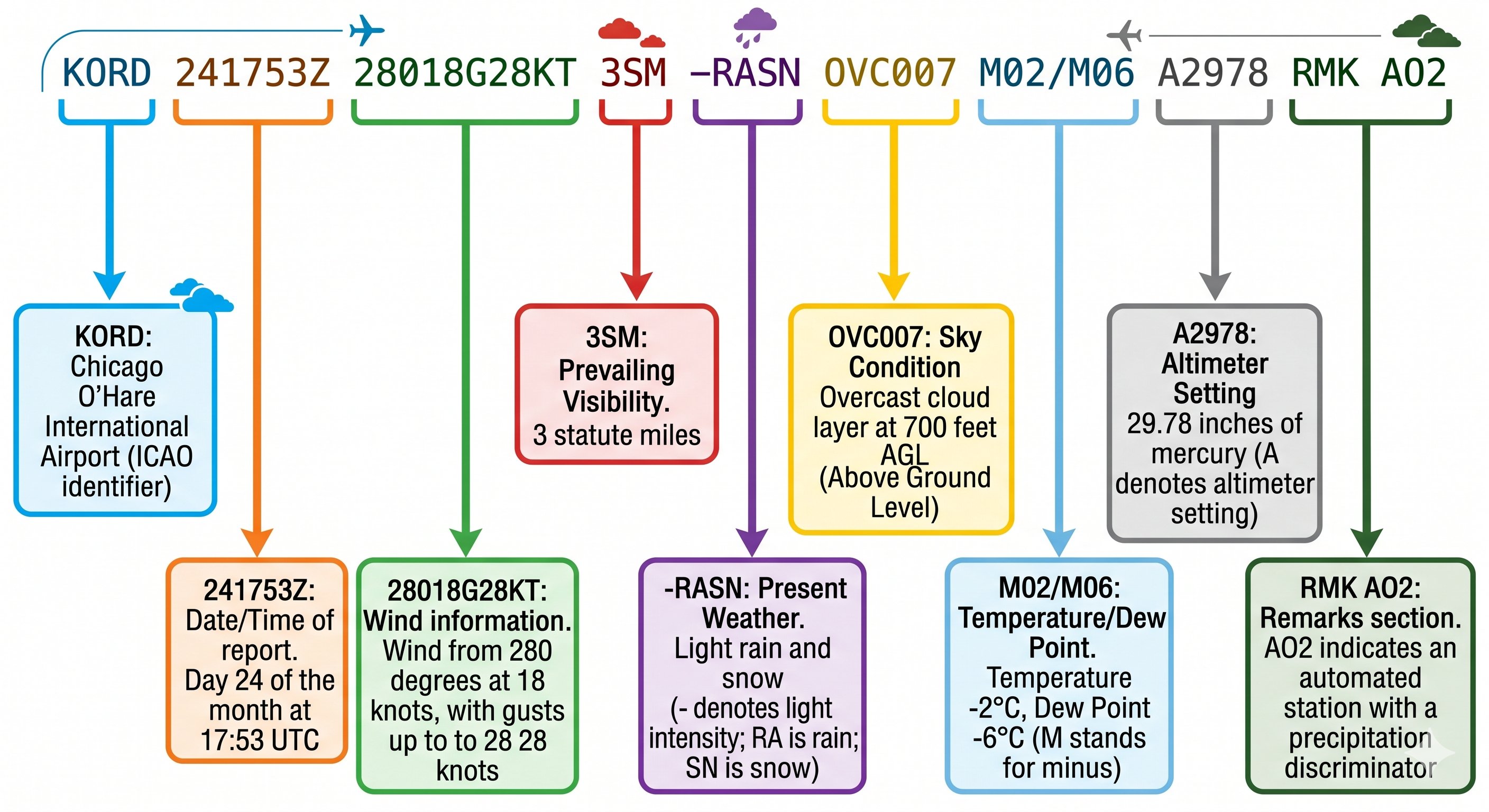
After completing ground school, use dedicated test prep (Sporty's practice tests, Sheppard Air, or the Gleim question bank) to drill the actual question bank until you're consistently scoring 90%+ before taking the real test.
Our recommendation: Take Pilot Institute for the best learning experience, then use Sporty's practice tests or Sheppard Air to drill the written test questions. This combination consistently produces the highest first-attempt pass rates.