Configure your training
Adjust the inputs below — your estimate updates instantly.
Why costs vary so much
The FAA sets minimum flight hour requirements, but those minimums are nearly impossible to hit. The average student pilot takes 60–70% more hours than the FAA minimum to reach checkride-ready. Here's why:
The real-world hour gap
The FAA requires 40 hours for a PPL, but most students log 55–70 hours. Weather cancellations, scheduling gaps between lessons, and the natural learning curve all add time. Part 141 schools with structured syllabi tend to keep students closer to the minimums — but still rarely hit them exactly.
Geographic price differences
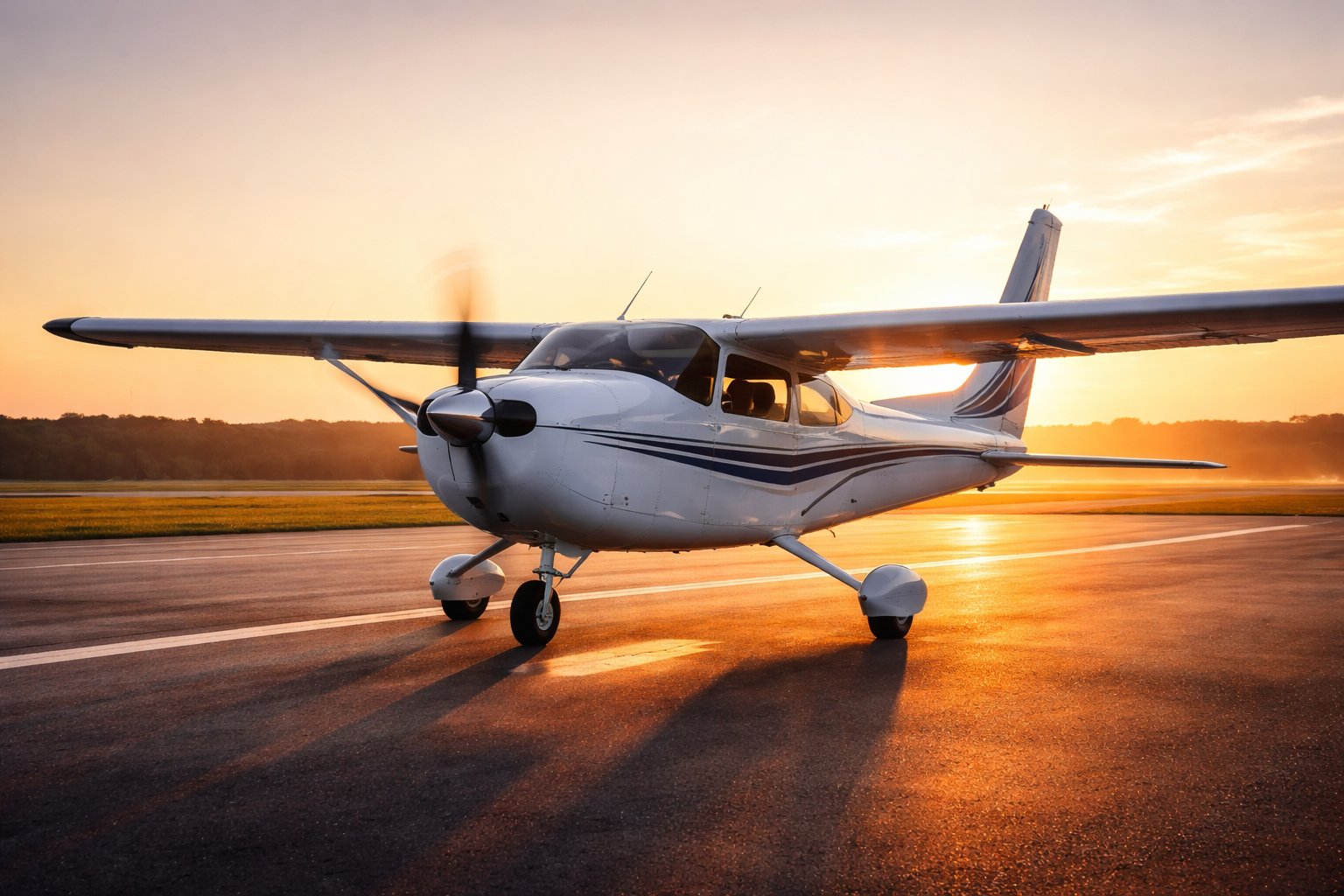
Aircraft rental rates can vary by $60–80/hr between regions. A Cessna 172 rents for around $150–165/hr in the Midwest, $170–190/hr in the Southeast, and $200–240/hr on the coasts. Instructor rates follow a similar pattern. Training in Florida or Arizona also benefits from year-round good weather, which reduces delays and can shorten your total timeline by weeks.
Part 61 vs Part 141
Part 141 schools follow FAA-approved syllabi and can offer reduced minimum hours for some ratings (e.g., 35 hours for PPL vs 40). Part 61 offers more flexibility for students training part-time around jobs and schedules. Neither is universally "better" — it depends on your situation.
Part 61 vs Part 141 at a glance
| Factor | Part 61 | Part 141 |
|---|---|---|
| PPL minimum hours | 40 hrs | 35 hrs |
| Flexibility | High — customize pace | Lower — structured syllabus |
| Best for | Working adults, part-time students | Full-time career-path students |
| Typical cost | Slightly higher (more hours) | Can be lower if on-track |
| Stage checks | No formal stage checks required | Required at each stage |
| Availability | Almost everywhere | Larger schools only |
10 ways to reduce your training cost
Train consistently
Gaps between lessons force review. Flying 2–3× per week keeps skills sharp and reduces total hours needed.
Use a simulator
FAA allows up to 2.5 hrs sim credit toward PPL. At $50–80/hr vs $165–240/hr for the real thing, the savings add up.
Study before every lesson
Every hour you spend studying on the ground saves time in the air. Chair-fly maneuvers and brief mentally before each lesson.
Join a flying club
Flying clubs rent aircraft to members at 20–40% below commercial rates. You pay dues, but the per-hour savings are significant.
Apply for scholarships
AOPA, EAA, and WAI offer awards from $1,000 to $10,000+. Many go unclaimed. See our full scholarship database.
Train in good-weather states
Fewer weather cancellations = faster completion. Florida and Arizona schools often yield shorter overall timelines.
Buy ground school early
Completing online ground school before starting flight training means more air time per lesson. Sporty's and Pilot Institute are excellent options.
Avoid solo weather delays
Solo cross-country requirements need good VFR days. Track weather patterns for your area and plan flex time into your schedule.
Negotiate block rates
Some schools offer discounted block-hour packages. Buying 20+ hours upfront can save $5–10/hr on aircraft rental.
Consider a Cessna 152
If available, the 2-seat C152 rents for $20–40/hr less than a C172 and is perfectly appropriate for primary training.
Recommended gear & ground school
These are affiliate links — we earn a small commission at no cost to you. We only recommend products we'd suggest to any student pilot.
Sporty's Learn to Fly
Industry-standard video course with lifetime updates. FAA written test guarantee.
Pilot Institute
Highly rated online courses for PPL, instrument, and drone. Pass guarantee included.
Best Student Headsets
Our full headset comparison — from $200 passive to $1,100 ANR. Every budget covered.