What is a discovery flight?
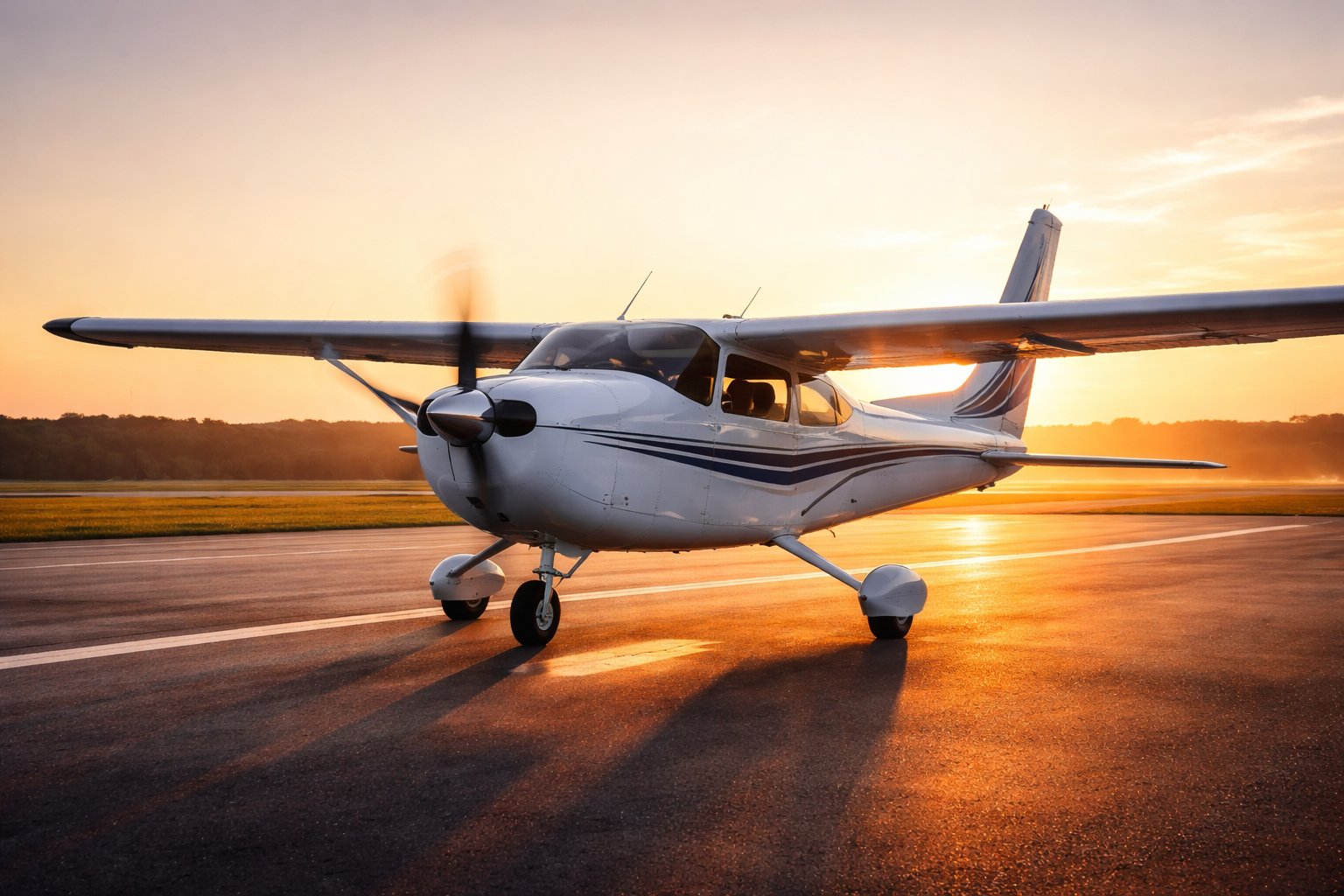
A discovery flight (also called an introductory flight or intro flight) is a one-hour introductory lesson with a Certified Flight Instructor (CFI). It's designed for people who are curious about flying but haven't started formal training yet — and the most important thing to know is that you actually get to fly the airplane.
Within the first 15–20 minutes of a typical discovery flight, your instructor will hand you the controls over a practice area and let you feel what it's like to bank, climb, and descend in a real aircraft. It's not a sightseeing tour — it's a genuine first lesson.
64 free PPL ground school videos on YouTube. Also offers a premium interactive course at freepilottraining.net with 700+ practice questions and a written exam endorsement.
Why take a discovery flight before committing to training?
Flight training is a significant investment — typically $10,000–$18,000 for a Private Pilot License. A discovery flight costs $150–$250 and answers the most important questions before you spend a dollar on real training:
- Do I actually enjoy being in a small plane?
- Does the cockpit environment cause any anxiety or motion sickness?
- Do I connect with how this school operates and how this instructor teaches?
- Is this something I genuinely want to pursue?
Many people who've "always wanted to fly" discover during a discovery flight that the reality doesn't match the dream — and that's valuable information at $200 rather than $10,000. Others discover they're completely hooked and can't wait to start. Either outcome is a good one.
Free discovery flights exist. AOPA, EAA, and many local flying clubs periodically offer free or heavily discounted introductory flights, especially during events like EAA's Young Eagles program (free for ages 8–17) and AOPA's fly-in events. Check their websites before paying full price.
What happens during a discovery flight
-
1
Ground briefing (15–20 min)
Your CFI walks you through the basics — how the flight controls work, what to expect in the air, and a quick overview of the cockpit instruments. Don't worry about memorizing anything.
-
2
Preflight inspection (10–15 min)
You'll walk around the aircraft with your instructor, checking fuel, control surfaces, tires, and the engine compartment. This is part of every single flight — you'll see it every lesson.
-
3
Taxi and takeoff (5–10 min)
Your CFI will handle the radio calls and takeoff. You'll follow along on the controls to feel what's happening.
-
4
You fly the plane (20–30 min)
Over the practice area, your instructor hands you the controls. You'll try gentle turns, climbs, and descents. The instructor is always there to correct and assist — you can't do anything wrong that they can't immediately fix.
-
5
Landing and debrief (10 min)
Your CFI will take the controls for the approach and landing. Afterward, they'll talk through what you did well and answer any questions about next steps.
How to find a discovery flight near you
Nearly every flight school in the US offers discovery flights. Here's how to find one:
- AOPA's flight school finder — aopa.org maintains a searchable directory of flight schools by location
- Local airports — search "[your city] flight school" or "[nearest airport] flight training" and call the FBO
- EAA Young Eagles — free flights for ages 8–17 at participating airports nationwide (eaa.org)
- Groupon and deals sites — some flight schools offer discounted intro flights through deal platforms, especially on slower weekdays
Questions to ask during your discovery flight
A discovery flight is also your first chance to evaluate whether this school and this instructor are a good fit. Don't just enjoy the ride — pay attention and ask questions.
Questions to ask your instructor
Don't pay a large deposit at the end of your discovery flight. Some schools pressure new students to commit immediately with a "today only" rate. Take the time to visit at least one other school and compare before putting down significant money.
Can a discovery flight count toward my license?
Sometimes. If your instructor logs the flight in your logbook as dual instruction, it can count toward your 40-hour PPL requirement — but only if you start training at that school. Schools have different policies, so ask upfront. Even if it doesn't count toward your hours, the experience itself is invaluable preparation for your first real lesson.
What to expect to pay
Discovery flights typically cost $150–$250 depending on location, aircraft type, and school. Here's the breakdown of what you're paying for:
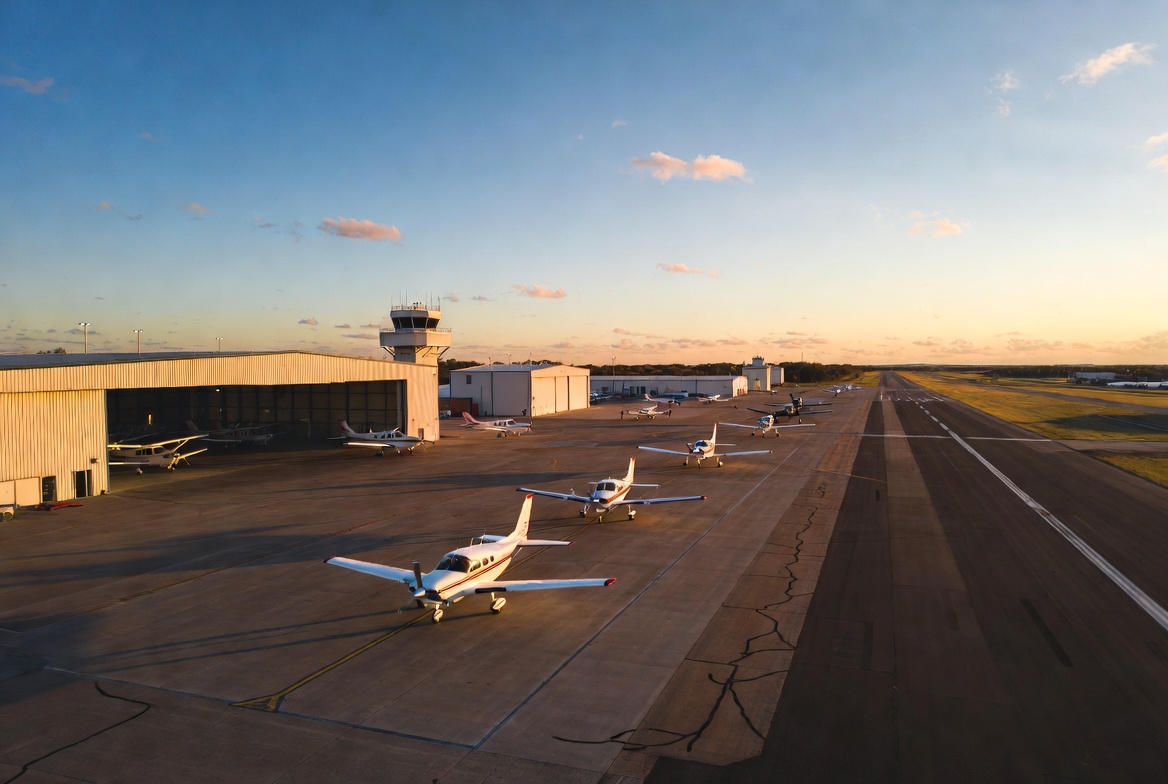
- Aircraft rental: roughly $130–$200/hr for a Cessna 172
- Instructor time: $40–$60/hr (often bundled)
- Many schools offer a fixed "intro flight" package that's slightly discounted versus their standard hourly rate
If the price seems significantly lower than this range, verify what's included — some "discovery flights" are more of a sightseeing tour with minimal actual instruction.
Ready to estimate what full training will cost? Use our free estimator to see a realistic range for your location and goals.
Training Cost Estimator →After your discovery flight — next steps
If you loved it and want to continue, here's what comes next:
- Get your FAA medical certificate — see our FAA Medical Guide for what to expect. Do this before investing significantly in training.
- Choose a school — visit at least two schools before committing. See our flight school directory and the questions above.
- Start ground school — you can begin online ground school before your first official lesson. Sporty's and Pilot Institute both offer excellent courses.
- Apply for scholarships — check our scholarship database early. Some have deadlines months before training begins.
- Read the full pilot guide — our complete step-by-step guide covers every stage from PPL to ATP.